Daniel R.
The technical breakdowns reflect real automotive engineering experience, but every reader's first-hand engagement with the insights makes their take fairly unique.

This page offers an overview of our team's background in automotive engineering, maintenance standards, and industry certifications. It describes the collective knowledge and areas of focus that inform our perspective. The information is intended to be informational only and reflects general expertise, without implying specific outcomes or endorsements. It is designed to help readers understand the team's professional context and the topics we cover.
The technical breakdowns reflect real automotive engineering experience, but every reader's first-hand engagement with the insights makes their take fairly unique.
I appreciate the references to maintenance standards and certifications, though broader viewpoints may differ with regard to specific tips discussed throughout.
As a regular reader, I find the blend of depth and practicality useful, even if my perspective is inherently shaped by subjective conditions.
Team members regularly study automotive engineering updates, technical literature, and evolving maintenance guidelines.
We track new standards, regulations, and technological developments across the automotive sector through various sources.
Staff engage in relevant certification programs to stay familiar with recognized industry practices and requirements.
We conduct internal reviews of our knowledge base and methods to reflect current information and standards.
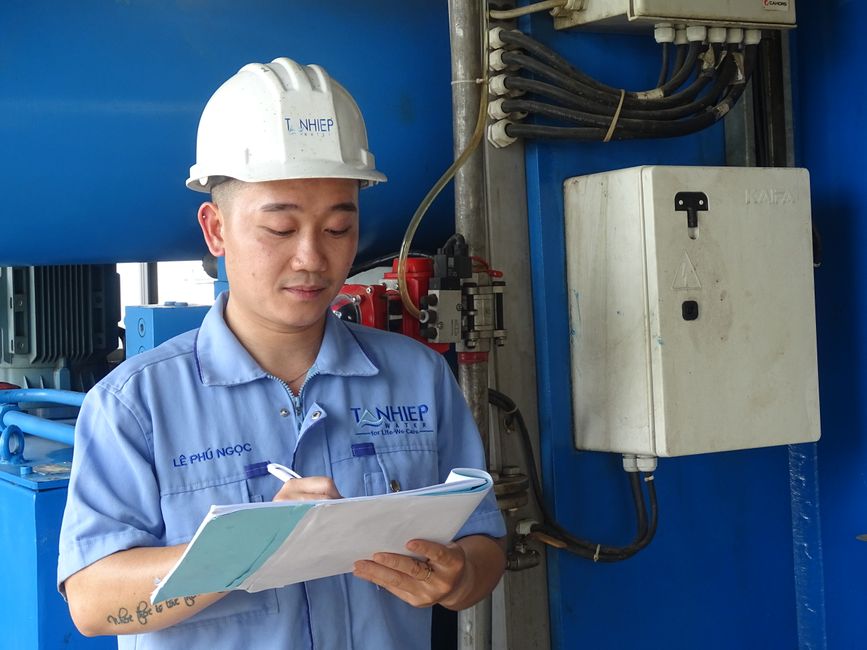
Auto Insights brings together a team with backgrounds in automotive engineering, maintenance, and industry certifications. Their knowledge spans vehicle diagnostics, repair procedures, and evolving manufacturer standards. This breadth allows us to approach each topic from multiple angles, ensuring explanations are structured and technically informed. Staying current with industry changes is central to the team's approach; they participate in continuing education and regularly consult updated technical resources. This commitment means the content often references accepted frameworks, best practices, and recognized certification requirements, while recognizing that real-world application depends on specific tools, environments, and manufacturer guidelines.