DIY Car Repair: When to Tackle It and When to Call a Pro
Owning a vehicle often comes with the question of whether to handle maintenance and repairs yourself or to seek professional assistance. Many car owners find satisfaction in performing basic tasks, while others prefer to leave all work to trained technicians. The decision is not always straightforward, as it depends on a variety of factors including your skill level, available tools, and the specific system involved. Understanding these factors can help you make informed choices about your vehicle’s care.
This article explores the spectrum of car repairs, from simple DIY-friendly tasks to complex jobs that require professional attention. It outlines general guidelines and considerations rather than definitive rules, because every situation is unique. The goal is to provide a framework for evaluating when to tackle a repair yourself and when it may be advisable to consult a professional. By considering the information here, you can approach your vehicle’s maintenance with greater confidence and awareness.
Ultimately, the choice depends on your comfort level, resources, and the nature of the repair. Neither approach is inherently better; both have their place in responsible vehicle ownership. The key is to assess each task individually and weigh the potential risks and benefits.
Assessing Your Skills and Tools
Before attempting any car repair, it is essential to honestly evaluate your mechanical aptitude and experience. Some individuals have years of hands-on experience with vehicles, while others may have never opened the hood. Recognizing your own limitations is a crucial first step. If you are unsure about your ability to complete a task safely and correctly, it may be wise to seek help. Even experienced DIYers should consider whether they have the specific knowledge required for a particular repair.
Equally important is the availability of proper tools. Many basic maintenance tasks require only a few common tools, such as a wrench, screwdriver, and jack. However, more advanced repairs often demand specialized equipment that can be expensive to purchase. For example, replacing a transmission may require a transmission jack, torque wrench, and diagnostic scanner. Without these tools, attempting the repair could lead to damage or injury. Therefore, tool inventory should be part of your decision-making process.
Additionally, consider the workspace available to you. A garage or driveway with adequate lighting and ventilation is preferable to working on a street. Some repairs also require lifting the vehicle, which necessitates jack stands or ramps. If you lack a safe working environment, it may be better to defer to a professional. Space constraints can also affect your ability to perform certain tasks.
Finally, think about the time commitment involved. Some repairs can be completed in an hour, while others may take an entire weekend or more. If you rely on your vehicle for daily transportation, a lengthy DIY project could disrupt your schedule. In such cases, a professional shop might complete the work more quickly, even if it costs more.
Simple DIY-Friendly Tasks
Certain car maintenance tasks are widely considered suitable for DIY enthusiasts, even those with limited experience. These tasks typically involve straightforward procedures and do not require specialized tools or deep mechanical knowledge. Performing them can save money and provide a sense of accomplishment. However, it is still important to follow the manufacturer’s guidelines and exercise caution.
One common DIY task is replacing windshield wiper blades. This is usually a simple process that involves lifting the wiper arm, releasing the old blade, and snapping on a new one. Most auto parts stores can assist with selecting the correct size for your vehicle. Similarly, changing light bulbs, such as headlights, taillights, or turn signals, is often a matter of accessing the bulb housing and swapping the bulb. Some vehicles may require removing other components to reach the bulb, but the task remains relatively basic.
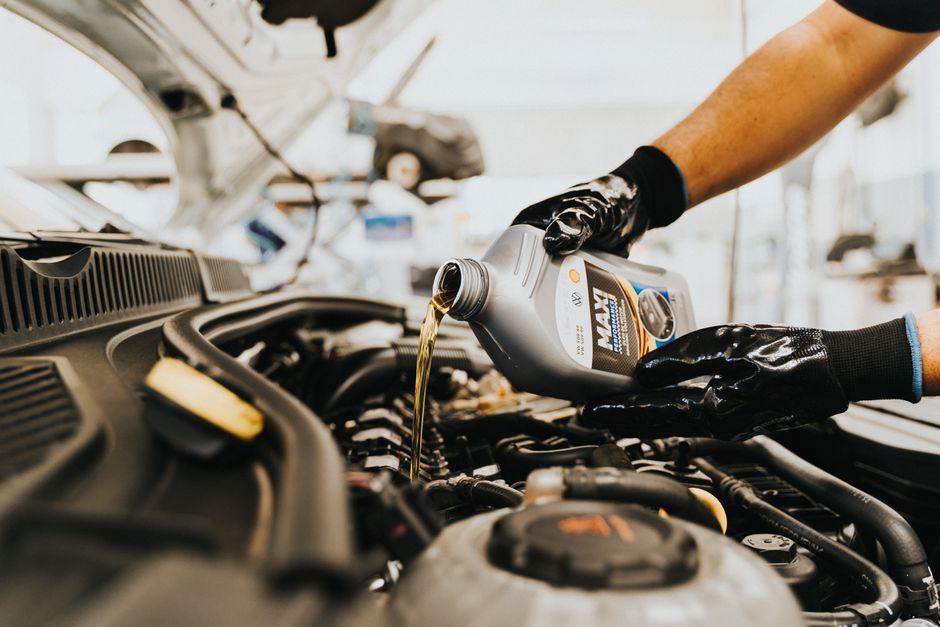
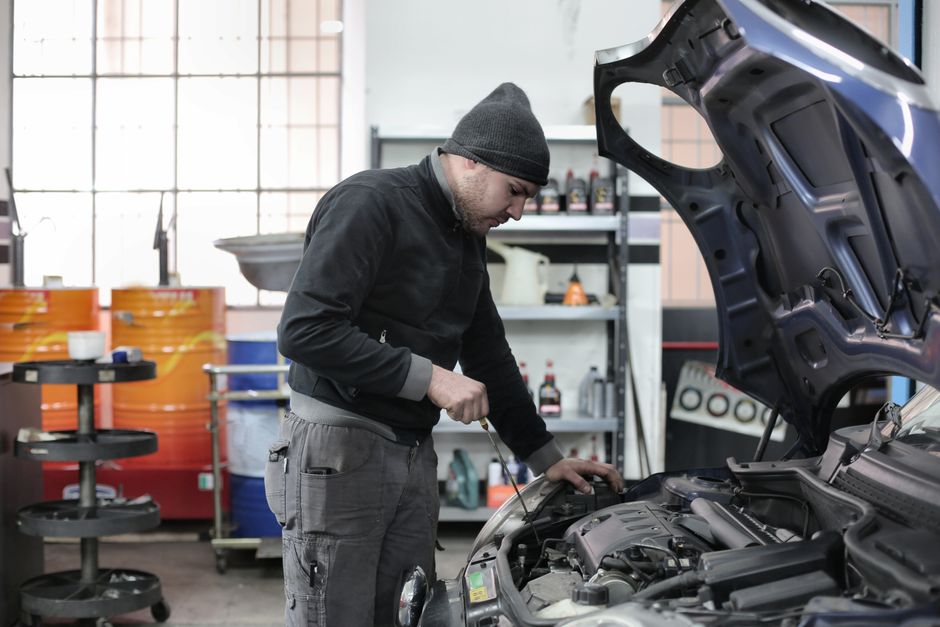
Other DIY-friendly tasks include checking and topping off fluids, such as engine oil, coolant, and windshield washer fluid. These are routine checks that can be done at home with minimal tools. Replacing air filters, both for the engine and cabin, is also typically easy and requires no special equipment. Even changing a flat tire with a spare can be a DIY task if you are physically capable and have the necessary tools.
It is important to note that even simple tasks can go wrong if not performed correctly. For instance, over-tightening a drain plug or using the wrong type of fluid can lead to problems. Therefore, always consult your owner’s manual and seek guidance if uncertain. Online videos and forums can be helpful, but they should not replace professional advice when in doubt.
Complex Repairs Requiring Professional Expertise
At the other end of the spectrum are repairs that demand advanced knowledge, specialized tools, and significant experience. These jobs often involve critical systems where mistakes can be costly or dangerous. Attempting them without proper training and equipment is generally not recommended. Understanding which repairs fall into this category can help you avoid potential pitfalls.
Transmission repairs are a prime example of a complex job best left to professionals. Transmissions are intricate assemblies with many moving parts that require precise adjustments. Diagnosing transmission issues often requires specialized diagnostic tools and a deep understanding of how the system operates. Moreover, removing and reinstalling a transmission is labor-intensive and requires a transmission jack and other heavy equipment. Without these, you risk damaging the transmission or injuring yourself.
Other complex repairs include engine internal work, such as replacing a head gasket or timing belt. These tasks involve disassembling major engine components and require precise torque specifications and timing. A mistake could lead to catastrophic engine failure. Similarly, electrical system diagnostics and repairs can be challenging due to the complex network of sensors, wiring, and computers. Specialized knowledge and tools are often necessary to trace faults accurately.
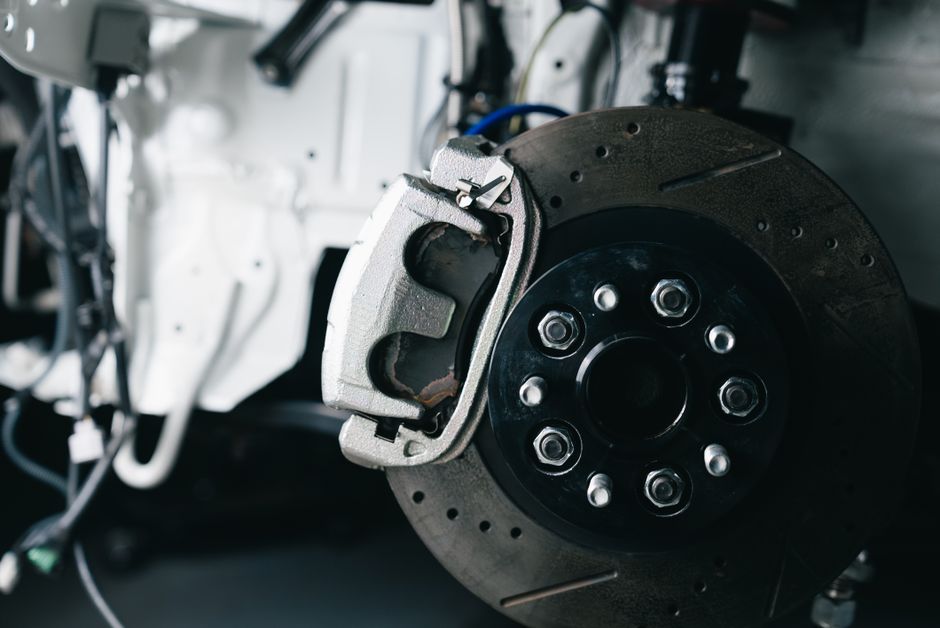
Brake system repairs, while sometimes DIY-friendly for basic pad replacement, can become complex when dealing with ABS or brake lines. Any work on the braking system must be done correctly, as it is a critical safety component. If you are not confident in your ability, it is best to have a professional handle it. The same applies to air conditioning systems, which require handling refrigerants and specialized equipment.
Safety, Legal, and Environmental Considerations
Beyond skill and tools, there are safety, legal, and environmental factors that can influence your decision to DIY or call a pro. Safety should always be the top priority. Working under a car supported only by a jack is extremely dangerous; jack stands are essential. Proper eye protection, gloves, and clothing are also important. Some tasks involve hazardous materials, such as battery acid or coolant, which require careful handling and disposal.
Legal considerations may also come into play. Some repairs, such as those affecting emissions systems, may be regulated by state or federal laws. In certain areas, DIY repairs on emission-related components may require certification or may be prohibited. Additionally, if you are leasing a vehicle, the lease agreement may specify that certain repairs must be performed by an authorized mechanic. Always check your warranty and local regulations before proceeding.
Environmental responsibility is another factor. Used oil, antifreeze, and other fluids must be disposed of properly. Many auto parts stores accept used oil for recycling. If you are not set up to handle hazardous waste, it may be better to let a professional handle fluid changes. Professionals have the equipment and processes to manage waste in an environmentally friendly manner.
Making informed decisions about DIY car repair involves balancing confidence, resources, and risk. There is no one-size-fits-all answer, but careful assessment can guide you toward the right choice for your situation.
Finally, consider the potential impact on your vehicle’s warranty. Some manufacturers may void warranty coverage if repairs are done incorrectly or by unauthorized individuals. If your car is still under warranty, it may be prudent to have repairs done at a dealership or certified shop. This ensures that the work meets manufacturer standards and keeps your warranty intact.
In conclusion, the decision to tackle a car repair yourself or call a professional depends on a combination of factors. Simple tasks like changing wipers or bulbs are often within reach for most car owners, while complex jobs like transmission repairs require expertise and equipment that few possess. By evaluating your skills, tools, and the specific repair, you can make a choice that balances cost, convenience, and safety. When in doubt, consulting a trusted mechanic is a wise step. Auto Insights encourages all vehicle owners to prioritize safety and quality in their maintenance decisions.