Understanding Fuel Efficiency: Tips to Save at the Pump
Fuel efficiency is a topic of interest for many drivers in the United States, as it relates to both environmental impact and personal budgeting. Understanding the factors that influence how much fuel a vehicle consumes can help individuals make more informed decisions about their driving habits and vehicle maintenance. While no single action guarantees a specific outcome, certain practices are commonly associated with improved gas mileage.
This article explores several approaches that may contribute to better fuel economy. These include maintaining proper tire inflation, adopting smooth acceleration techniques, reducing unnecessary idling, and adhering to regular maintenance schedules. Each element is examined in terms of its potential role in fuel consumption, with the understanding that results can vary based on driving conditions, vehicle type, and other external factors.
By focusing on these areas, drivers can develop a more comprehensive understanding of how day-to-day choices might affect fuel use. The information presented here is intended to be informative and practical, without implying that any specific action will lead to a guaranteed result. Instead, it highlights general principles that are widely discussed in automotive contexts.
Proper Tire Inflation and Its Role in Fuel Efficiency
Tire inflation is a fundamental aspect of vehicle maintenance that can influence fuel consumption. When tires are underinflated, they create more rolling resistance, which means the engine must work harder to move the vehicle. This increased effort can lead to higher fuel usage. Conversely, maintaining tires at the recommended pressure levels can help reduce resistance and potentially improve gas mileage. However, it is important to note that tire pressure should be checked regularly, as it can fluctuate with temperature changes and natural leakage over time.
Checking tire pressure is a straightforward task that can be done at home or at a service station. The recommended pressure for a vehicle is typically found in the owner’s manual or on a sticker inside the driver’s door jamb. It is advisable to check tires when they are cold, as driving can increase pressure and give an inaccurate reading. Using a reliable pressure gauge and inflating tires to the specified level can contribute to better fuel efficiency, but it is only one part of a broader approach.
Beyond inflation, tire condition also matters. Worn tread or misaligned wheels can affect fuel economy by increasing resistance and causing uneven wear. Rotating tires at recommended intervals and ensuring proper alignment are maintenance practices that support both tire longevity and fuel efficiency. While these actions may not produce dramatic changes on their own, they are part of a holistic strategy for vehicle upkeep.
Smooth Acceleration and Driving Habits
Driving habits play a significant role in fuel consumption. Aggressive driving, characterized by rapid acceleration and hard braking, can increase fuel use because the engine operates at higher speeds and consumes more energy. Smooth acceleration, on the other hand, allows the engine to operate more efficiently. By gradually increasing speed and anticipating stops, drivers can reduce the amount of fuel wasted during sudden maneuvers. This approach is often referred to as eco-driving, and it emphasizes a steady, controlled driving style.
In addition to acceleration, maintaining a consistent speed can also contribute to fuel efficiency. Using cruise control on highways, where appropriate, can help maintain a steady pace and avoid unnecessary fluctuations. However, cruise control may not be suitable in all conditions, such as in heavy traffic or on winding roads. Drivers should use their judgment to determine when it is safe and beneficial to engage cruise control.
Another aspect of driving habits is anticipating traffic flow. By looking ahead and adjusting speed smoothly, drivers can avoid abrupt stops and starts. This not only saves fuel but also reduces wear on brakes and other components. While these techniques may require some practice, they can become habitual over time and may lead to more consistent fuel economy.
Reduced Idling and Its Impact
Idling, or running the engine while the vehicle is stationary, consumes fuel without moving the vehicle. In situations such as waiting in a drive-through line or warming up the car, idling can waste fuel and contribute to unnecessary emissions. Modern vehicles generally do not require extensive warm-up periods, even in cold weather. In fact, driving gently is often a more effective way to warm up the engine than letting it idle for long periods.
Reducing idling can be as simple as turning off the engine when parked for more than a minute or two. Many newer vehicles are equipped with start-stop systems that automatically shut off the engine when the car is stationary and restart it when the driver releases the brake. For vehicles without this feature, manually turning off the engine during extended waits can be a practical step. However, it is important to consider safety and comfort, as extreme temperatures may require the engine to run for climate control.
It is also worth noting that idling in traffic is sometimes unavoidable. In such cases, the focus should be on minimizing unnecessary idling rather than eliminating it entirely. By being mindful of when the engine is running without purpose, drivers can take small steps that may add up over time. Again, the actual fuel savings depend on various factors, including the frequency and duration of idling episodes.
Regular Maintenance and Fuel Economy
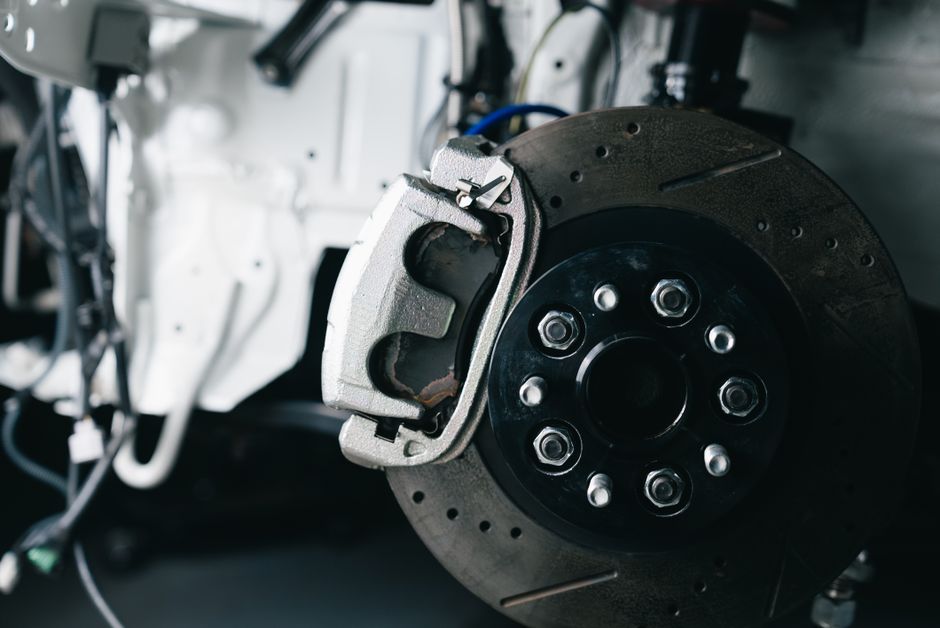
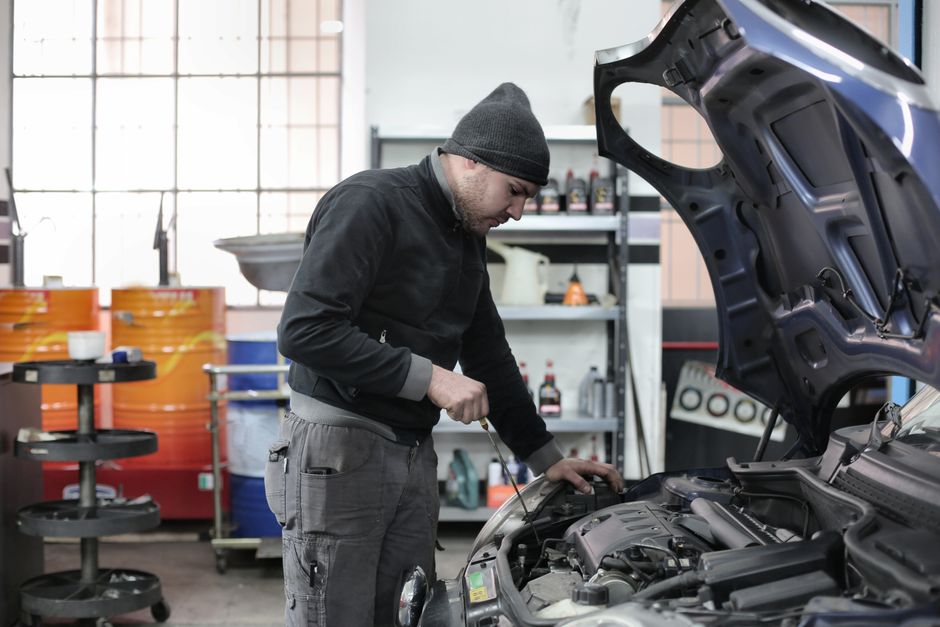
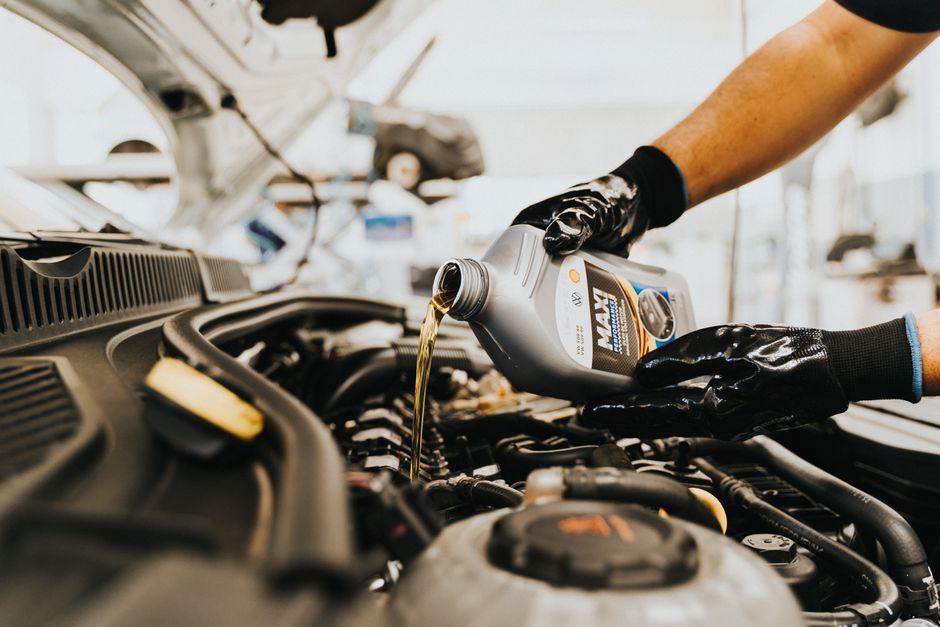
Regular maintenance is a cornerstone of vehicle ownership and can have a bearing on fuel efficiency. Tasks such as oil changes, air filter replacements, and spark plug inspections help ensure the engine runs smoothly. A well-maintained engine is more likely to operate at its optimal level, which can translate to better fuel economy. Neglecting maintenance can lead to decreased performance and increased fuel consumption over time.
For example, a clogged air filter can restrict airflow to the engine, causing it to work harder and use more fuel. Similarly, old spark plugs can lead to misfires and inefficient combustion. Following the manufacturer’s recommended maintenance schedule is a reliable way to keep these components in check. It is also advisable to address any warning lights or unusual symptoms promptly, as they may indicate issues that affect fuel efficiency.
In addition to engine-related maintenance, other systems can impact fuel use. For instance, a malfunctioning oxygen sensor can cause the engine to run rich, wasting fuel. Proper tire maintenance, as discussed earlier, is also part of the overall picture. By staying on top of maintenance tasks, drivers can help preserve their vehicle’s fuel efficiency and overall performance. While maintenance does not guarantee a specific increase in gas mileage, it is a widely recognized practice for keeping a vehicle in good working order.
Additional Considerations for Fuel Efficiency
Beyond the core practices of tire inflation, smooth driving, reduced idling, and regular maintenance, there are other factors that can influence fuel economy. These include vehicle load, aerodynamic drag, and the use of air conditioning. Carrying excess weight in the trunk or on roof racks can increase fuel consumption, as the engine must work harder to move the additional mass. Removing unnecessary items can be a simple way to reduce load.
Aerodynamic drag becomes more pronounced at higher speeds. Driving with windows open or having a roof rack installed can increase drag and reduce fuel efficiency. When possible, minimizing these sources of drag can be beneficial. Air conditioning, while providing comfort, also places an additional load on the engine. Using it sparingly or opting for ventilation when appropriate can help conserve fuel. However, comfort and safety should always be prioritized, especially in hot weather.
Planning routes to avoid congested areas can also reduce fuel consumption by minimizing stop-and-go traffic. Using navigation apps to find the most efficient route is a common strategy. Additionally, combining errands into a single trip can save fuel by avoiding multiple cold starts. Each of these small adjustments may contribute to better fuel economy, but their impact varies depending on individual circumstances.
In conclusion, fuel efficiency is influenced by a combination of vehicle maintenance, driving habits, and external conditions. By paying attention to tire pressure, accelerating smoothly, reducing idling, and keeping up with maintenance, drivers can adopt practices that are generally associated with improved gas mileage. It is important to approach these suggestions as part of a broader effort, recognizing that no single action guarantees results. Auto Insights encourages drivers to stay informed and make choices that align with their specific needs and driving environment.