How to Diagnose Common Brake Problems Early
Brakes are a critical safety system in any vehicle, and their performance can degrade gradually over time. Recognizing early symptoms of brake problems allows for timely inspection and maintenance, which can help avoid more extensive repairs and potential safety risks. Common indicators include unusual noises, a soft or spongy pedal, and vibrations during braking. Understanding what these signs mean and how to assess them can empower drivers to make informed decisions about their vehicle’s maintenance.
This article provides a systematic approach to diagnosing common brake issues. It covers typical symptoms, possible underlying causes, and general guidelines for when to seek professional evaluation. The focus is on observation and understanding, not on performing repairs, as brake work often requires specialized tools and expertise. By familiarizing yourself with these indicators, you can communicate more effectively with a mechanic and contribute to the overall safety of your vehicle.
Regular brake inspections are a key part of vehicle ownership. While some wear is normal, certain symptoms may suggest that components are nearing the end of their service life. The information here is intended to help you identify potential issues early, but it is not a substitute for a thorough inspection by a qualified technician. Always consult a professional for definitive diagnosis and repair.
Understanding the Brake System and Its Components
To diagnose brake problems effectively, it helps to have a basic understanding of how the braking system works. Most modern vehicles use a hydraulic system that multiplies force applied to the brake pedal and transfers it to the brakes at each wheel. When you press the pedal, brake fluid pressure engages the brake pads (in disc brakes) or brake shoes (in drum brakes) against a rotating surface—either a disc (rotor) or a drum—to create friction and slow the vehicle.
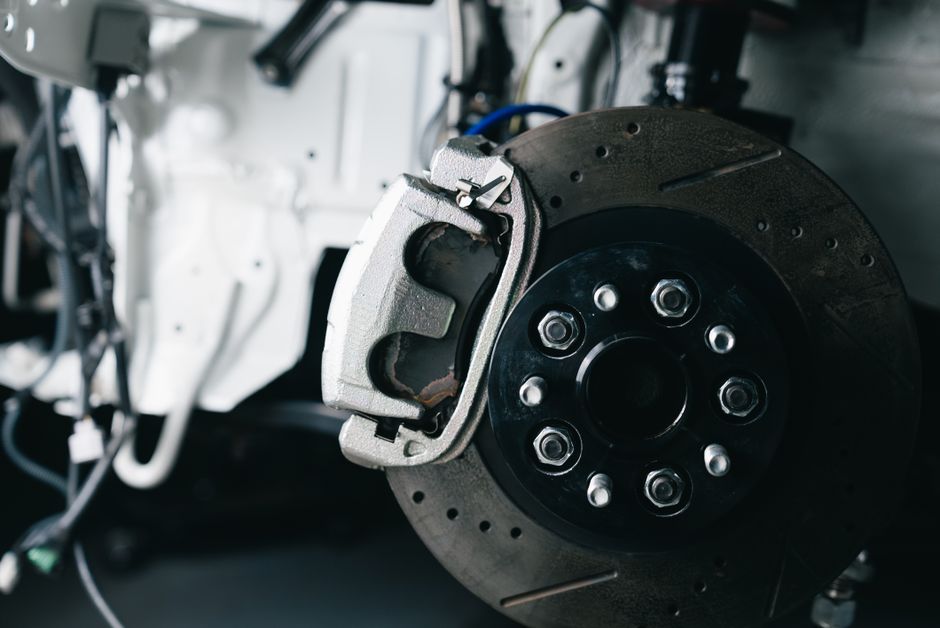
Key components include the brake pads, rotors, calipers, brake fluid, and lines. Brake pads are designed to wear down over time; they typically have a metal backing plate and a friction material that contacts the rotor. Rotors can also wear or become warped due to heat and stress. Calipers contain pistons that push the pads against the rotor. The brake fluid transmits force and must be in good condition, as moisture or air in the lines can compromise performance.
Understanding these components helps in interpreting symptoms. For example, a squealing noise often points to worn brake pads, while a soft pedal may indicate air in the hydraulic system or a fluid leak. Vibrations can suggest warped rotors or uneven pad wear. Each symptom provides a clue, but a definitive diagnosis requires a hands-on inspection by a professional.
Common Symptoms and What They Might Indicate
Brake problems often announce themselves through changes in noise, pedal feel, or vehicle behavior. Being attentive to these changes can help you address issues before they become severe. Below are some of the most common symptoms and their potential causes.
- Squealing or screeching: A high-pitched noise when braking often indicates worn brake pads. Many pads have built-in wear indicators that emit a squeal when the friction material is low. However, squealing can also come from glazed pads, dust, or lack of lubrication on the backing plate.
- Grinding or metal-on-metal: A grinding sound suggests the brake pads are completely worn and metal backing plates are contacting the rotor. This can damage the rotor and lead to costly repairs, so it warrants immediate attention.
- Soft or spongy pedal: If the brake pedal feels soft or sinks to the floor, it may indicate air in the brake lines, a fluid leak, or a failing master cylinder. This reduces braking effectiveness and should be inspected promptly.
- Vibration or pulsation: A pulsating pedal or steering wheel vibration during braking often points to warped rotors or unevenly worn pads. This can also be caused by loose wheel bearings or suspension issues.
- Pulling to one side: If the vehicle pulls to one side when braking, it may indicate a stuck caliper, uneven pad wear, or a blocked brake line. This can affect control and should be checked.
These symptoms can have multiple causes, and some may overlap. For instance, a grinding noise could be accompanied by vibration if the rotor is damaged. Keeping track of when and how symptoms occur can help a technician narrow down the issue. It’s also important to note that some symptoms may appear intermittently, making diagnosis more challenging.
DIY Inspection: What You Can Check Safely
While major brake repairs should be left to professionals, there are some basic checks you can perform to gather information. These inspections can help you describe the problem more accurately and may reveal obvious issues. Always prioritize safety: park on a flat surface, engage the parking brake, and use wheel chocks before inspecting any wheel area.
One of the simplest checks is to look at the brake pads through the wheel spokes. Many vehicles allow a partial view of the brake pad thickness without removing the wheel. If the pad material appears thinner than about 3 millimeters (about the thickness of two quarters), it may be due for replacement. However, this visual check is not definitive, as inner pads may wear faster than outer pads.
You can also check the brake fluid level in the master cylinder reservoir. Low fluid may indicate a leak or worn pads (as fluid fills the caliper pistons when pads wear). If the fluid is dark or contains particles, it may be due for a flush. However, do not open the reservoir cap if the engine is hot, and avoid contaminating the fluid with dirt or moisture.
Another safe check is to listen for noises while driving at low speeds in a safe area. Roll down the windows and gently apply the brakes. Note any squealing, grinding, or clicking sounds. Also pay attention to pedal feel: if it feels unusually soft or hard, that’s valuable information to share with your mechanic. Remember, these checks are for observation only—do not attempt to disassemble brake components without proper training and tools.
When to Seek Professional Help
Certain brake symptoms require immediate professional attention. If you experience a grinding noise, a pedal that sinks to the floor, or a sudden loss of braking power, stop driving as soon as it is safe to do so and have the vehicle towed to a repair shop. These signs may indicate severe wear or a hydraulic failure that compromises safety.
Even if symptoms seem minor, it’s wise to have them inspected if they persist. Brake systems are complex, and issues can escalate quickly. A qualified technician can perform a thorough inspection, including measuring pad and rotor thickness, checking for leaks, testing the master cylinder, and examining brake lines and hoses. They can also determine whether resurfacing or replacing rotors is necessary.
Regular maintenance intervals, as outlined in your owner’s manual, are also important. Many manufacturers recommend a brake inspection at least once a year or every 12,000 miles, but this can vary based on driving conditions. If you frequently drive in stop-and-go traffic, mountainous terrain, or tow heavy loads, your brakes may wear faster. Adhering to the manufacturer’s schedule helps catch problems early.
According to the National Highway Traffic Safety Administration, brake-related issues are a contributing factor in many accidents. Early detection and repair are essential for vehicle safety.
When you visit a repair facility, describe the symptoms you’ve noticed, including when they occur and any changes in pedal feel or noise. This information helps the technician diagnose the problem more efficiently. Don’t hesitate to ask questions about the recommended repairs and request an explanation of the work to be performed.
Preventive Practices and Long-Term Care
While some brake wear is inevitable, certain driving habits and maintenance practices can help extend the life of your brake components. Smooth, gradual braking reduces heat and wear compared to aggressive stopping. Anticipating stops and coasting when appropriate can also lessen the load on the brakes.
Keeping your vehicle clean, especially the wheels and brake components, can prevent the buildup of corrosive materials like road salt. However, avoid spraying high-pressure water directly at brake parts, as it can force contaminants into seals. Regularly checking brake fluid and having it replaced at the recommended intervals helps maintain hydraulic efficiency.
Using quality brake parts is also a consideration. Original equipment manufacturer (OEM) parts are designed to meet specific performance standards, while aftermarket options vary in quality. Consulting a trusted mechanic can help you choose appropriate components for your vehicle and driving needs. Auto Insights provides general information on automotive maintenance, but always defer to a professional for specific recommendations.
Finally, pay attention to any changes in braking performance. Even subtle differences, such as a slightly longer stopping distance or a new noise, can be early indicators of wear. Addressing these promptly can help avoid more extensive damage and keep your vehicle safe on the road.