Essential Car Maintenance Tasks for Long Engine Life
Maintaining a vehicle’s engine for long-term reliability involves a series of scheduled tasks that address wear and tear before they escalate. These tasks are typically outlined in the owner’s manual and are based on extensive testing by the manufacturer. Understanding why each service matters helps vehicle owners make informed decisions about their maintenance routines.
This article explores essential car maintenance tasks that contribute to extended engine life. It covers oil changes, filter replacements, belt inspections, and the importance of adhering to the manufacturer’s schedule. The information is presented in a neutral, process-oriented manner to support informed decision-making.
Engine longevity is influenced by multiple factors, including driving habits, environmental conditions, and the quality of replacement parts. No single action guarantees a specific outcome, but consistent attention to key maintenance items can help mitigate common risks.
The Role of Regular Oil Changes in Engine Longevity
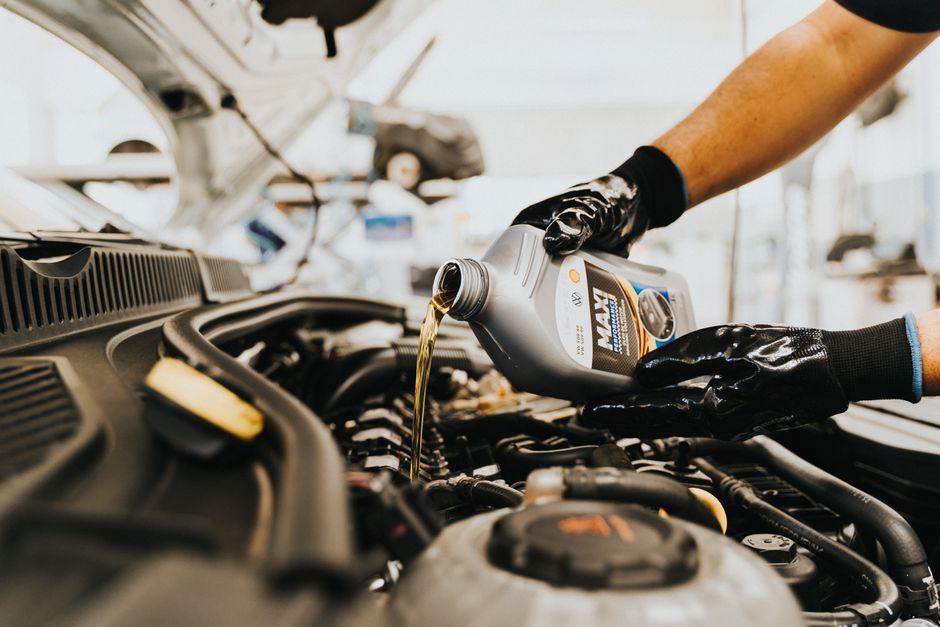
Oil serves as the lifeblood of an internal combustion engine, lubricating moving parts, reducing friction, and carrying away heat and contaminants. Over time, oil degrades due to heat, oxidation, and the accumulation of particles, which can reduce its effectiveness. Regular oil changes replenish the oil’s protective properties and remove suspended debris that might otherwise circulate through the engine.
The interval for oil changes varies by vehicle model, engine type, and driving conditions. Manufacturers typically specify a mileage or time-based interval, whichever comes first. For example, many modern vehicles recommend an oil change every 5,000 to 10,000 miles, but severe driving conditions—such as frequent short trips, heavy towing, or extreme temperatures—may necessitate more frequent changes. Following the manufacturer’s schedule is a straightforward way to align maintenance with the engine’s design expectations.
When changing oil, it is equally important to replace the oil filter. The filter captures contaminants that can accelerate engine wear. Using a high-quality filter that meets the manufacturer’s specifications helps ensure proper filtration and oil flow. Neglecting the filter can lead to bypass mode, where unfiltered oil circulates, potentially causing premature wear.
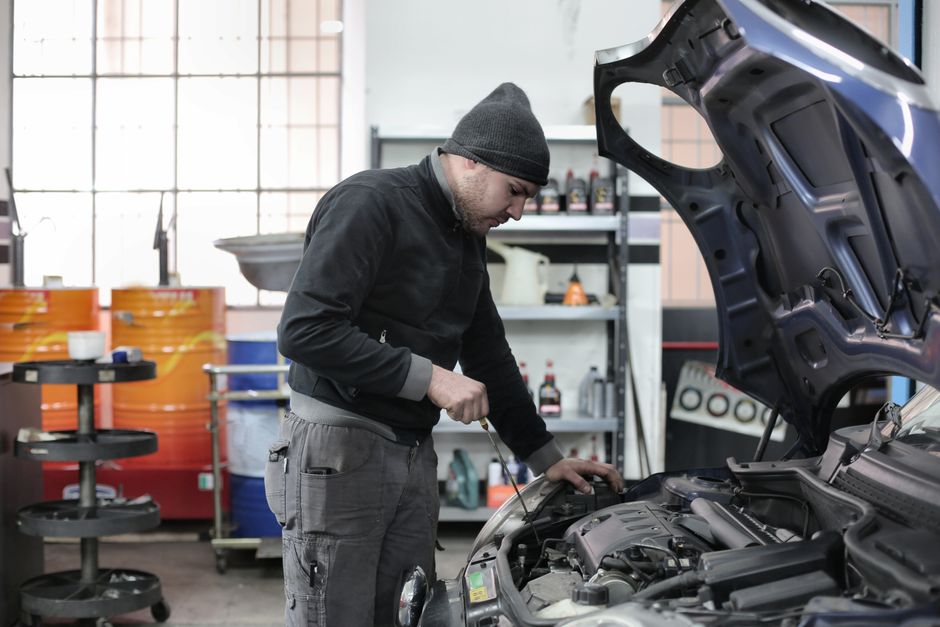
In addition to routine changes, monitoring oil levels and condition between services is a practical habit. Low oil levels can lead to increased friction and overheating, while discolored or gritty oil may indicate the need for an earlier change. These observations, combined with scheduled maintenance, contribute to a more comprehensive approach to engine care.
Filter Replacements Beyond Oil: Air, Fuel, and Cabin Filters
While the oil filter is critical for engine lubrication, other filters also play roles in overall vehicle health and performance. The engine air filter prevents dust, dirt, and debris from entering the combustion chamber. A clogged air filter can restrict airflow, leading to incomplete combustion, reduced power, and increased fuel consumption. Manufacturers typically recommend inspection and replacement at specific intervals, often every 15,000 to 30,000 miles, depending on driving conditions.
The fuel filter, though less frequently replaced in modern vehicles with in-tank filters, serves to remove impurities from the fuel before they reach the engine. Contaminants such as rust and dirt can clog fuel injectors and cause performance issues. Some manufacturers specify replacement at intervals of 30,000 miles or more, while others consider it a lifetime part under normal conditions. Consulting the owner’s manual provides clarity on the appropriate schedule.
Cabin air filters, while not directly related to engine longevity, contribute to passenger comfort by filtering pollen, dust, and pollutants from the air entering the cabin. A neglected cabin filter can reduce airflow and lead to unpleasant odors. While it does not impact the engine, keeping it clean supports a healthier driving environment.
Replacing these filters according to the manufacturer’s recommendations is a relatively simple and cost-effective maintenance task. It can help maintain engine efficiency and prevent more significant issues that might arise from restricted airflow or fuel contamination. As with all maintenance, using parts that meet or exceed original equipment specifications is advisable.
Belt Inspections and Replacements: Timing and Serpentine Belts
Belts are essential components that drive various engine accessories and, in the case of timing belts, synchronize the engine’s valves with the pistons. A timing belt failure can result in severe engine damage, including bent valves and damaged pistons. Therefore, inspecting and replacing timing belts at the manufacturer’s specified interval is a critical preventive measure. Intervals often range from 60,000 to 100,000 miles, but they can vary widely by make and model.
Serpentine belts, also known as accessory belts, drive components such as the alternator, power steering pump, and air conditioning compressor. While a serpentine belt failure may not cause immediate internal engine damage, it can lead to loss of power steering, overheating, and a dead battery. Inspecting serpentine belts for signs of wear—such as cracks, glazing, or fraying—during routine oil changes can help identify potential issues before they lead to breakdowns.
Belts are typically made of rubber and can degrade over time due to heat and age, even if mileage is low. Therefore, manufacturers may recommend replacement based on time intervals as well, such as every 6 to 10 years. Following these guidelines helps avoid unexpected failures that could leave a driver stranded.
When inspecting belts, it is also wise to check associated components like tensioners and pulleys. Worn tensioners can cause belts to slip or wear prematurely. Replacing these parts alongside the belt is often recommended to ensure proper function and longevity of the new belt.
Adhering to the Manufacturer’s Schedule: A Framework for Maintenance
Every vehicle comes with a recommended maintenance schedule developed by the manufacturer. This schedule is based on engineering data and testing and is intended to keep the vehicle operating within design parameters. Following it helps ensure that all critical systems receive attention at the appropriate intervals. The schedule typically includes oil and filter changes, belt inspections, fluid checks, and other services.
Deviating from the schedule—either by extending intervals or skipping services—can increase the risk of premature wear or failure. However, it is important to recognize that the schedule is a guideline. Actual maintenance needs can be influenced by driving conditions, climate, and vehicle usage. For instance, vehicles operated in dusty environments may require more frequent air filter changes, while those used for short trips may need more frequent oil changes to prevent moisture buildup.
Keeping detailed records of all maintenance performed is beneficial for several reasons. It helps track when services are due, provides documentation for warranty claims, and can be useful when selling the vehicle. Many owners find it helpful to set reminders or use a logbook to stay organized.
In addition to scheduled maintenance, being attentive to unusual noises, warning lights, or changes in performance can prompt timely inspections. Early detection of issues often allows for simpler and less invasive repairs. While no maintenance plan can guarantee infinite engine life, a consistent approach that includes the tasks outlined here can contribute to the engine’s overall durability and reliability.
Maintenance is not a one-time event but an ongoing process that adapts to the vehicle’s needs and operating environment.
Ultimately, the goal is to make informed decisions that align with the manufacturer’s recommendations and the vehicle’s actual usage. By understanding the purpose of each task, owners can better appreciate the value of routine care and its role in supporting long engine life.