Choosing a Reliable Used Car: Key Inspection Points
Buying a used car can be a practical and cost-effective alternative to purchasing a new vehicle, but it also involves careful evaluation to avoid potential pitfalls. The process requires a systematic approach that goes beyond a simple test drive. Understanding what to look for and how to interpret the information gathered can help buyers make more informed decisions. This article outlines key inspection points and considerations when evaluating a used vehicle, focusing on service history, mileage, rust, and the value of a professional pre-purchase inspection.
While no used car comes with a guarantee of flawless performance, a thorough inspection can reveal important details about a vehicle’s past and present condition. It is important to recognize that even a well-maintained car may develop issues over time, and that many factors beyond the buyer’s control can influence long-term reliability. The goal is to gather as much information as possible to assess whether a particular vehicle aligns with one’s needs and expectations.
This guide provides a neutral overview of inspection points and does not constitute professional advice. Buyers are encouraged to consult qualified mechanics and to consider multiple sources of information before making a purchase. Auto Insights offers resources and tools that can assist in the evaluation process, but final decisions rest with the buyer.
Service History and Maintenance Records
One of the most informative sources of information about a used car is its service history. Maintenance records can indicate how regularly the vehicle was serviced, what types of repairs were performed, and whether the owner followed the manufacturer’s recommended maintenance schedule. A complete and well-documented service history may suggest that the vehicle received consistent care, while missing records could raise questions about upkeep. It is important to review these records critically and to verify their authenticity when possible.
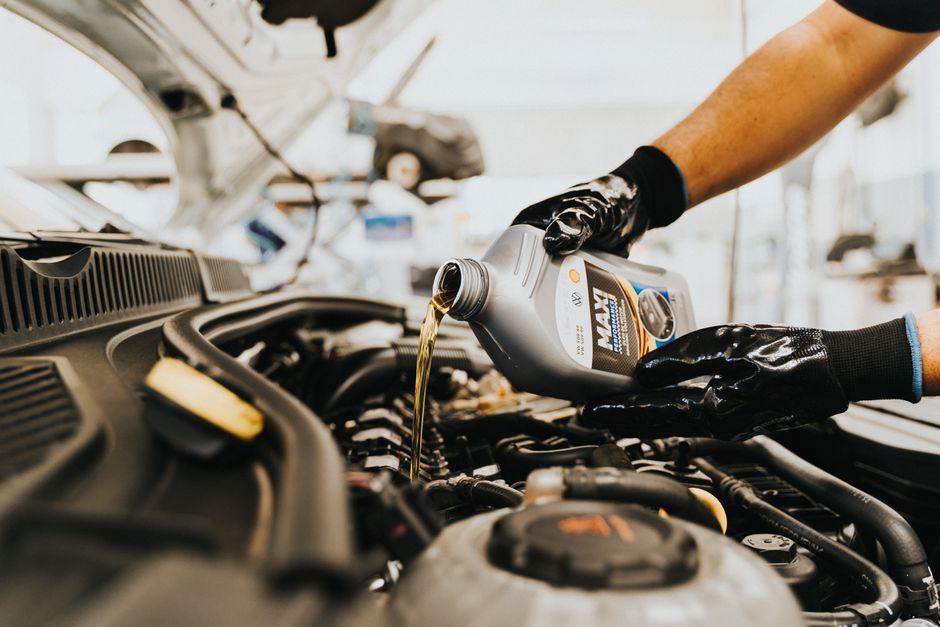
Service records typically include oil changes, tire rotations, brake inspections, and other routine maintenance. They may also show major repairs, such as timing belt replacements or transmission work. The presence of such records can help a buyer understand the vehicle’s maintenance pattern and anticipate future service needs. However, the absence of records does not automatically mean the car was neglected; some owners may perform their own maintenance or use independent shops that do not report to centralized databases.
When examining service history, consider the following:
- Frequency and consistency of oil changes and other routine services.
- Whether major milestones, such as the 60,000-mile service, were addressed.
- Any recurring issues or repeated repairs that might indicate a persistent problem.
- Whether the repairs were performed by authorized dealers or certified mechanics.
- Documentation of any warranty work or recalls.
It is also helpful to cross-reference the service history with the vehicle identification number (VIN) to ensure that the records correspond to the specific car. In some cases, a vehicle may have a clean title but still have hidden issues that are not immediately apparent from the records. Therefore, service history should be considered as one piece of the puzzle, not the sole basis for a decision.
Mileage and Usage Patterns
Mileage is a key factor in assessing a used car’s condition and potential remaining life. Generally, lower mileage may indicate less wear, but this is not always the case. A car with unusually low mileage for its age might have been driven infrequently, which can sometimes lead to problems such as deteriorated seals or fluids that have not been circulated regularly. Conversely, higher mileage is not necessarily a red flag if the vehicle has been well-maintained and primarily used for highway driving, which tends to be less stressful on the engine and transmission than stop-and-go city driving.
When evaluating mileage, consider the following aspects:
- Average annual mileage: Typical usage is around 12,000 to 15,000 miles per year. Significantly higher or lower figures may warrant further investigation.
- Driving conditions: Highway miles are generally considered less wearing than city miles.
- Consistency with service records: Mileage should align with the maintenance timeline.
- Potential odometer fraud: Check for signs of tampering, such as inconsistent wear on pedals and seats relative to the displayed mileage.
It is also useful to ask the seller about the vehicle’s primary use—whether it was used for commuting, long-distance travel, or towing. Towing can place additional stress on the transmission and brakes, so vehicles with a history of towing may require closer inspection of those components. Additionally, vehicles from regions with harsh winters may have been exposed to road salt, which can accelerate rust formation, independent of mileage.
Rust and Corrosion Inspection
Rust is a common issue in used cars, especially in areas where road salt is used during winter. Even if the exterior appears clean, rust can develop in hidden areas such as the undercarriage, wheel wells, and frame. Structural rust can compromise the vehicle’s integrity and safety, making it a critical inspection point. Surface rust on body panels may be cosmetic, but rust that has penetrated metal or affects structural components is a more serious concern.
During an inspection, pay attention to these areas:
- Wheel arches and rocker panels: These are common spots for rust to start.
- Undercarriage and frame: Use a flashlight to check for flaking metal or holes.
- Trunk and floor pans: Lift the mats and inspect for dampness or rust stains.
- Paint bubbles: These can indicate rust forming beneath the paint surface.
- Door seams and hood edges: Check for rust along these seams.
It is important to note that rust repair can be costly and may not fully restore structural integrity if the damage is extensive. If rust is found, a professional body shop can provide an assessment of the extent and potential repair options. In some cases, rust may be a deal-breaker, while in others, it might be manageable if the price reflects the condition. The decision depends on the buyer’s tolerance for potential future repairs and the vehicle’s intended use.
Pre-Purchase Inspection by a Mechanic
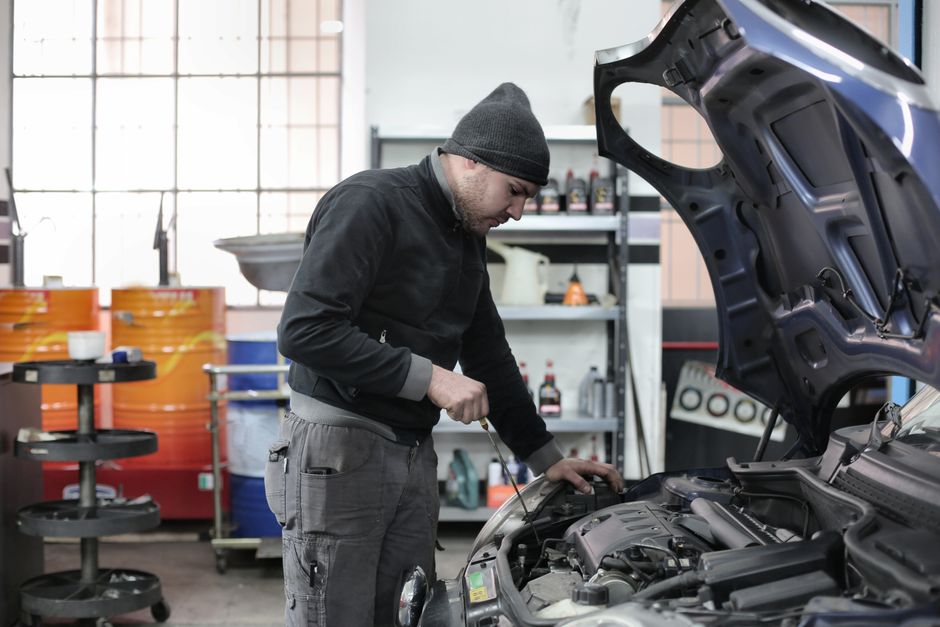
A pre-purchase inspection (PPI) performed by a qualified mechanic is a valuable step in the used car buying process. This inspection goes beyond a basic visual check and involves a comprehensive evaluation of the vehicle’s mechanical, electrical, and safety systems. A mechanic can identify issues that may not be obvious to an untrained eye, such as worn suspension components, leaking seals, or diagnostic trouble codes stored in the vehicle’s computer. The cost of a PPI is typically a fraction of the potential repair costs that could arise from undetected problems.
When arranging a PPI, consider the following:
- Choose a mechanic who is familiar with the make and model of the vehicle.
- Ask for a detailed report that includes compression test results, brake measurements, and a list of any recommended repairs.
- If possible, have the inspection done at the seller’s location or a neutral site.
- Use the findings to negotiate the price or to decide whether to proceed with the purchase.
It is important to remember that even a thorough inspection cannot predict all future issues. Some components may fail without warning, and regular maintenance after purchase remains essential. A PPI provides a snapshot of the vehicle’s condition at a specific point in time, and it should be used in conjunction with other information, such as service history and mileage, to make an informed decision. Buyers should also be aware that a pre-purchase inspection does not guarantee the vehicle’s reliability; it simply provides more data to inform the buyer’s judgment.
Additional Considerations and Due Diligence
Beyond the core inspection points, there are other factors that can influence a used car’s suitability. These include the vehicle’s title status, accident history, and any outstanding recalls. A title check can reveal whether the car has been salvaged, flooded, or rebuilt, which can significantly affect its value and insurability. Accident history, if reported, can indicate previous damage that may have been repaired, but the quality of repairs can vary. Recalls should be addressed by the manufacturer at no cost, but it is the buyer’s responsibility to ensure they have been performed.
It is also advisable to take a test drive that includes a variety of road conditions—city streets, highways, and rough roads—to assess handling, braking, and overall comfort. Pay attention to any unusual noises, vibrations, or warning lights. These can be signs of underlying issues that may require further investigation. Additionally, consider the total cost of ownership, including insurance, fuel, and anticipated maintenance, to ensure the vehicle fits within your budget.
Finally, trust your instincts. If something feels off or the seller is reluctant to provide information or allow an inspection, it may be best to walk away. There are many used cars available, and finding a reliable one often requires patience and thorough evaluation. Auto Insights provides educational content and tools that can support this process, but the ultimate responsibility for the purchase decision lies with the buyer. By approaching the process methodically and seeking professional guidance when needed, buyers can increase the likelihood of finding a used car that meets their needs.